
Furnace Replacement Cost in New Haven County: What to Budget
By A-Team Plumbing & HVAC12 min read
Furnace replacement in New Haven County costs between $3,500 and $8,500 for most residential homes in 2026 (hvacloadcalculate.com). A standard 80% AFUE gas furnace runs $3,500 to $5,500 installed, while a high-efficiency 96% AFUE unit ranges from $5,000 to $8,500. Home size, ductwork condition, and permit requirements all affect your final quote.
What Is the Average Furnace Replacement Cost in New Haven County?
New Haven County homeowners typically pay between $3,500 and $8,500 for a complete furnace replacement, with most standard gas furnace swaps landing between $4,000 and $6,500. For context, national data puts a new furnace between $3,500 and $7,500 installed (searshomeservices.com), and Connecticut's Northeast location pushes local prices roughly 15% above that baseline (hvacprojectcost.com). Full HVAC system replacements in the Northeast average around $11,500 (hvacloadcalculate.com). Natural gas furnaces heat roughly 57% of American homes nationally (hvacprojectcost.com), and they dominate New Haven County due to the region's established Eversource gas distribution network. Equipment accounts for 40% to 60% of total installed price, while labor, permits, and disposal make up the rest (searshomeservices.com). Labor rates in Connecticut run $75 to $150 per hour for licensed technicians (hvacprosales.com), which reflects the state's high cost of living and the S-class license requirements that protect consumers. An average installation takes 8 to 20 hours depending on complexity (hvacprosales.com), so labor alone can represent a significant line item in your quote.
Cost by Furnace Efficiency Rating (AFUE)
AFUE stands for Annual Fuel Utilization Efficiency, and it determines how much of each fuel dollar becomes heat. This number drives both your upfront cost and your monthly utility bill for the life of the system.
- 80% AFUE: $3,500 to $5,500 installed. Lower upfront cost, but higher monthly gas bills. Vents through an existing metal flue, which simplifies installation in older New Haven homes.
- 90 to 96% AFUE: $5,000 to $8,500 installed (lehighhvac.com).
- The modulating burner adjusts output continuously, cutting fuel waste to near zero (lehighhvac.com). These require PVC condensate venting, adding $200 to $600 to installation, but deliver the best long-term savings in large or drafty pre-1960 homes common in New Haven County .
Cost by Fuel Type
Fuel type shapes both your installed cost and your annual operating expense. Switching fuel sources mid-project adds significant cost and complexity, so understanding the trade-offs before signing a contract is essential.
| Furnace Type | AFUE Rating | Installed Cost Range | Annual Fuel Cost (est.) | CT Rebate Eligible | Best For |
|---|---|---|---|---|---|
| Natural Gas 80% AFUE | 80% | $3,500 - $5,500 | $1,100 - $1,400/yr | No | Budget-conscious replacement on existing gas line |
| Natural Gas 96% AFUE | 96% | $5,000 - $8,500 | $850 - $1,100/yr | Yes (up to $300) | Most popular high-efficiency upgrade in CT |
| Natural Gas 98% Modulating | 98% | $7,000 - $9,500 | $800 - $1,050/yr | Yes (up to $300) | Maximum savings in large or drafty older homes |
| Oil Furnace | 80-86% | $4,000 - $7,500 | $1,800 - $2,600/yr | No | Homes without natural gas access |
| Propane Furnace | 80-96% | $4,500 - $8,000 | $1,400 - $2,200/yr | Varies | Rural New Haven County properties |
| Dual-Fuel Heat Pump Hybrid | Up to 300% COP | $7,000 - $14,000 | $700 - $950/yr | Yes (federal 25C up to $2,000) | Homeowners seeking maximum energy savings and rebates |
Furnace Replacement Cost by Type and Efficiency: New Haven County 2026
Gas furnace replacement runs $3,800 to $10,000 in the New Haven area, with oil furnaces in the same range (homeadvisor.com). Oil-to-gas conversions add $1,500 to $3,000 on top of the base furnace cost, covering new gas line piping, meter upgrade coordination with Eversource, and removal of the oil tank if it is located indoors (lehighhvac.com).
What Factors Affect Your Furnace Replacement Quote in Connecticut?
Price ranges tell you where to start. They do not tell you where you will land. Several Connecticut-specific factors can push your quote above or below the midpoint, and understanding them helps you evaluate bids accurately. Home square footage determines the required BTU output: nationally, proper furnace sizing calls for 30 to 60 BTUs per square foot (homeadvisor.com), so a 2,000-square-foot home in Branford or Orange needs a furnace rated between 60,000 and 120,000 BTUs (homeadvisor.com). An oversized or undersized furnace short-cycles, wears out faster, and fails to maintain even temperatures. Any reputable contractor should perform a Manual J load calculation before recommending a furnace size. Permit fees in New Haven County municipalities typically run $250 to $400 for HVAC installations (homeadvisor.com). Time of year also matters: mid-winter emergency replacements often carry premium pricing because demand exceeds available scheduling. Booking a furnace tune-up in fall frequently reveals end-of-life equipment while you still have time to plan a replacement on your schedule, not the furnace's.
How Does Home Age Affect Furnace Replacement Cost?
New Haven County has some of the oldest housing stock in New England. Many properties in New Haven, Ansonia, Derby, and Seymour were built before 1960, and that age creates real cost exposure during a furnace replacement project. Homes built before 1970 frequently have undersized or deteriorated ductwork. Ductwork replacement costs $1,400 to $5,600 nationally depending on home size (homeguide.com), and replacing leaky ducts saves homeowners 10% to 40% on energy bills (homeguide.com), making it a worthwhile companion investment. Older homes may also require asbestos abatement around furnace flues, adding $500 to $2,000 (lehighhvac.com) to the project. Many pre-1980 properties still use gravity-fed octopus duct systems that cannot support forced-air blower pressures without a full redesign. Outdated electrical panels in these homes sometimes need upgrading to support modern variable-speed blower motors, which adds another line item. A thorough ductwork inspection before finalizing your furnace quote prevents budget surprises after work begins.
Permits and Inspections Required in New Haven County
Connecticut State Building Code requires a mechanical permit for every furnace replacement, without exception. This is not optional paperwork. Local inspectors must sign off before the new unit goes into service. Contractors must hold a valid Connecticut S-class HVAC license, ranging from S-1 through S-10, to legally perform this work. Skipping permits voids most manufacturer warranties and creates serious complications when you sell the property, since title searches flag unpermitted mechanical work. At A-Team Plumbing & HVAC, we pull all required permits as a standard part of every installation, so the homeowner never has to coordinate with the town building department separately. Many contractors in the greater New Haven market advertise free quotes, and that is worth taking advantage of. Get at least three licensed bids. Be cautious of any quote more than 20% below market average, since those proposals often exclude permit fees, ductwork remediation, or proper commissioning steps that show up as change orders later (hvacloadcalculate.com).
How to Save Money on Furnace Replacement in New Haven County
Cost savings on a furnace replacement come from three sources: rebates and tax credits, smart timing, and choosing the right contractor. Connecticut homeowners have access to meaningful financial assistance that most people do not fully use. The Energize CT program, a joint initiative of Eversource and United Illuminating, offers rebates for ENERGY STAR certified high-efficiency furnaces and heat pumps. Heat pump installations can qualify for up to $2,000 under the federal 25C Energy Efficiency Home Improvement Credit (hvacprojectcost.com). Low-income households in New Haven County may qualify for the Connecticut Weatherization Assistance Program, which can cover full replacement costs for eligible applicants. PACE financing through the Connecticut Green Bank allows homeowners to repay energy upgrades through their property tax assessment rather than a traditional loan, making large projects accessible without a credit check. Financing options let homeowners spread the cost of a furnace replacement over time, turning an $8,000 investment into a manageable monthly payment (hvacprojectcost.com). Our team recommends checking rebate application deadlines carefully: some Energize CT rebates must be applied for before installation begins, not after. Preventive maintenance plans also reduce long-term costs. Regular maintenance reduces emergency repair costs by up to 40% (hvacprosales.com), and catching a failing furnace in fall rather than February means you avoid emergency pricing and can schedule the replacement during off-peak weeks.
Connecticut Rebates and Tax Credits Available in 2026
Connecticut homeowners replacing aging furnaces in 2026 have a real opportunity to offset costs through stacked incentives. Understanding which programs apply to your specific equipment choice is the key to maximizing savings.
- Available through Eversource and United Illuminating.
- Federal 25C Energy Efficiency Home Improvement Credit: Covers 30% of eligible equipment cost, up to $600 for qualifying furnaces and up to $2,000 for heat pump systems.
- Connecticut Weatherization Assistance Program: Full replacement cost coverage for income-qualified households (hvacprojectcost.com). Income limits apply; contact CT DEEP for current thresholds.
- PACE Financing via Connecticut Green Bank: Repayment through property tax bills over 5 to 25 years. No upfront cash required for qualifying projects.
- Manufacturer rebates: Carrier, Lennox, and Trane frequently run seasonal promotions on high-efficiency models that stack with utility rebates.
Repair vs. Replace: How to Decide for Your New Haven Home
This is the question most homeowners struggle with, and it is the question most competitors do not answer well. A heat exchanger replacement on a 16-year-old furnace might cost $1,200 to $1,800, which is 30% (hvacprojectcost.com) to 40% of a new unit. That repair buys you a few more years on aging equipment, not a new system. Furnace lifespan averages 15 to 20 years nationally, and Connecticut's heavy heating season from October through April accelerates wear. For example, consider a landlord managing a duplex in Wallingford built in 1952 where the original furnace installed in 2007 has now required three repair calls since November. The combined repair costs total $2,100, which is 35% of a new high-efficiency unit's price, making replacement the smarter financial choice despite the upfront expense (homeguide.com). A furnace in New Haven that has been running hard since 2008 is statistically near end of life regardless of its current symptom profile. Carbon monoxide risks from cracked heat exchangers make delay genuinely dangerous. This is a safety issue. A CO detector alarm with no other identified source should be treated as a heat exchanger failure until a licensed technician can verify otherwise. Frequent heat exchanger cracks require immediate replacement, not repair. Rising energy bills despite regular furnace tune-up service are another clear signal of declining efficiency that repair will not solve.
Signs Your Furnace Needs Replacement, Not Repair
Some warning signs are easy to rationalize away. They should not be. Any of the following patterns in a furnace over 15 years old is a strong indicator that replacement is the right call.
- Yellow or flickering burner flame. A properly combusting gas furnace burns blue. Yellow flame signals incomplete combustion and potential carbon monoxide safety concerns.
- Uneven heating across rooms. If the master bedroom is 72°F while the living room is 65°F, a failing blower motor or ductwork breakdown is likely. Consider scheduling a ductwork inspection before assuming the furnace is the only culprit.
- Loud banging, popping, or rattling on startup. These noises point to delayed ignition, cracked heat exchanger panels, or loose internal components.
- Two or more repair calls in a single heating season. Frequency of failure is a better predictor than any single repair cost.
- CO detector alarms. Treat this as an emergency. Do not reset the alarm and assume it was a false positive.
What to Expect From the Furnace Replacement Process
Knowing the process reduces anxiety and helps you hold contractors accountable. A straightforward residential furnace swap in Milford, West Haven, or Guilford typically takes 4 to 8 hours. Complex retrofits, including oil-to-gas conversions or full ductwork redesigns, can take 1 to 2 full days. The installation sequence covers removal of the old unit, installation of the new furnace, venting configuration, gas line connection, electrical hookup, and commissioning. A reputable contractor will perform a Manual J load calculation to confirm proper furnace sizing before ordering equipment. This is an industry standard established by ACCA (Air Conditioning Contractors of America) and a non-negotiable step for any professional installation. Post-installation, the technician should test all zones, verify indoor air quality and CO levels with calibrated instruments, and walk you through the new thermostat operation. At A-Team Plumbing & HVAC, we provide every customer with a post-installation checklist so nothing gets skipped and your warranty documentation is complete from day one.
How to Choose a Licensed HVAC Contractor in New Haven County
Choosing the right contractor protects your investment, your warranty, and your family's safety. The verification steps below apply to any company you consider, including us.
- Verify the Connecticut S-class HVAC license at the CLIC (Connecticut License Information Center) website. The license number should be active and match the company name on your quote.
- Confirm general liability insurance and workers' compensation coverage. Ask for certificates of insurance before work begins. An uninsured technician injured on your property creates significant liability.
- Request references from recent New Haven County installations specifically. Regional experience with older Connecticut homes, local permit offices, and Eversource gas line requirements matters.
- Confirm the quote includes permit fees, all materials, and post-installation commissioning. A quote that excludes permits is incomplete. HVAC financing options with clear terms should also be available if you need them.
- Ask about emergency heating repair availability. Connecticut winters do not wait for business hours, and your contractor should offer 24/7 response.
Frequently Asked Questions
How much does furnace replacement cost in New Haven County in 2026?
Most residential furnace replacements in New Haven County cost between $3,500 and $8,500 installed in 2026. Standard 80% AFUE gas furnaces run $3,500 to $5,500, while high-efficiency 96% AFUE units range from $5,000 to $8,500. Complex projects involving oil-to-gas conversion or full ductwork replacement can push totals higher.
What rebates are available for furnace replacement in Connecticut?
Connecticut homeowners can access Energize CT rebates up to $300 for qualifying high-efficiency gas furnaces, and the federal 25C Energy Efficiency Home Improvement Credit covers 30% of eligible equipment cost up to $600. Heat pump systems qualify for up to $2,000 federally. Low-income households may qualify for the Connecticut Weatherization Assistance Program covering full replacement costs.
How long does a furnace last in Connecticut?
Furnaces typically last 15 to 20 years, but Connecticut's demanding 6-month heating season accelerates wear. A furnace installed before 2010 in a New Haven County home is approaching end of life regardless of current performance. Annual furnace tune-up service extends lifespan, but repeated repairs after year 15 signal that replacement is the smarter financial choice.
Is it worth replacing a furnace before it completely breaks down?
Yes. Proactive replacement avoids emergency pricing, gives you time to compare bids, and lets you schedule fall installation when contractor availability is better and pricing is more competitive. A mid-winter breakdown forces a rushed decision. If your furnace is over 15 years old and repair costs are climbing, planning ahead saves money and stress.
How long does furnace replacement take?
A standard residential furnace swap in New Haven County takes 4 to 8 hours for a straightforward like-for-like replacement. More complex projects, such as oil-to-gas conversions or homes requiring ductwork redesign, can take 1 to 2 full days. Permit inspection scheduling can add 1 to 3 business days before the system is fully authorized for operation.
Do I need a permit to replace a furnace in New Haven County?
Yes, absolutely. Connecticut State Building Code requires a mechanical permit for every furnace replacement. A licensed S-class HVAC contractor must pull the permit, and a local inspector must sign off before the unit goes into service. Skipping permits voids manufacturer warranties and creates complications when you sell the property. Never hire a contractor who proposes skipping this step.
What is the most efficient furnace type for Connecticut winters?
A 96% to 98% AFUE modulating gas furnace offers the best performance for Connecticut's climate. For maximum efficiency and rebate stacking, a dual-fuel heat pump hybrid system operates at up to 300% efficiency during mild weather and switches to gas backup during extreme cold. This combination qualifies for both Energize CT rebates and the federal 25C tax credit up to $2,000.
Can I finance a furnace replacement in New Haven County?
Yes. Multiple financing paths are available. PACE financing through the Connecticut Green Bank allows repayment through your property tax bill with no upfront cash. Many HVAC contractors, including A-Team Plumbing & HVAC, offer HVAC financing options with 0% introductory periods ranging from 12 to 60 months. Manufacturer financing programs through Carrier, Trane, and Lennox are also widely available.
How do I know if I need a new furnace or just a repair?
Use the 50% rule: if repair cost exceeds 50% of replacement cost, replace. Also consider age: furnaces over 15 years with two or more repairs in a single season almost always warrant replacement. Yellow burner flame, CO detector alarms, and uneven heating across rooms are urgent warning signs. A cracked heat exchanger is a carbon monoxide safety hazard that requires immediate replacement.
What is the average furnace replacement cost in New Haven County?
The average installed furnace replacement cost in New Haven County runs $3,500 to $8,500 for residential properties in 2026. Most homeowners land between $4,500 and $6,500 for a mid-efficiency gas furnace with a standard installation. Northeast pricing runs approximately 15% above national baseline figures due to higher labor rates and Connecticut's licensing requirements.
Does furnace cost vary by gas, oil, or electric system?
Yes, significantly. Gas furnace replacement costs $3,800 to $10,000 installed in New Haven County. Oil furnaces run similarly at $3,800 to $10,000, but high Connecticut oil prices create much higher annual operating costs of $1,800 to $2,600. Electric furnaces carry a lower installed price of $1,700 to $7,100 but are expensive to run given Connecticut electricity rates.
What labor and permit fees should I expect in CT?
Connecticut HVAC labor rates run $75 to $150 per hour for licensed S-class technicians. An average furnace installation takes 8 to 20 hours, so labor alone often ranges from $800 to $2,500 depending on complexity. Permit fees in New Haven County municipalities average $250 to $400 for mechanical permits. Always confirm that your quote explicitly includes both labor and permit costs.
Are there rebates for energy-efficient furnaces in Connecticut?
Yes. The Energize CT program run by Eversource and United Illuminating offers up to $300 for qualifying high-efficiency gas furnaces at 96% AFUE or higher. The federal 25C Energy Efficiency Home Improvement Credit adds 30% of equipment cost up to $600 for furnaces. Heat pump systems qualify for up to $2,000 federally. Some rebates require pre-approval before installation, so confirm timing with your contractor.
Which local HVAC companies serve New Haven County CT?
A-Team Plumbing & HVAC is a locally owned, licensed 24/7 provider serving all of New Haven County, including New Haven, Hamden, Milford, West Haven, Branford, North Haven, Cheshire, Guilford, Ansonia, Derby, Seymour, Shelton, Stratford, Orange, Woodbridge, and surrounding communities. The company holds a Connecticut S-class HVAC license and pulls all required permits as a standard part of every installation.
Sources & References
- How Much Does It Cost to Install or Replace Ductwork? (2026) - HomeGuide[industry]
- New Furnace Cost in 2026: Average Prices, Installation Fees & Savings Guide - Sears Home Services[industry]
- Furnace Replacement Cost 2026: $2,500–$11,200 Installed - HVAC Project Cost[industry]
- HVAC Replacement Cost 2026: How Much Does a New System Cost? - HVAC Load Calculate[industry]
- HVAC Installation Cost Breakdown: Labor vs Materials - 2026 Verdict - HVAC PRO Sales[industry]
- How Much Does Air Duct Replacement Cost? (2026) - HomeAdvisor[industry]
- How Much Does Furnace Replacement Cost in 2026? - HomeAdvisor[industry]
About the Author
A-Team Plumbing & HVAC
A-Team Plumbing & HVAC is a locally owned New Haven County, CT company providing 24/7 residential and commercial plumbing and HVAC services with transparent pricing and preventive maintenance plans.
Related Posts
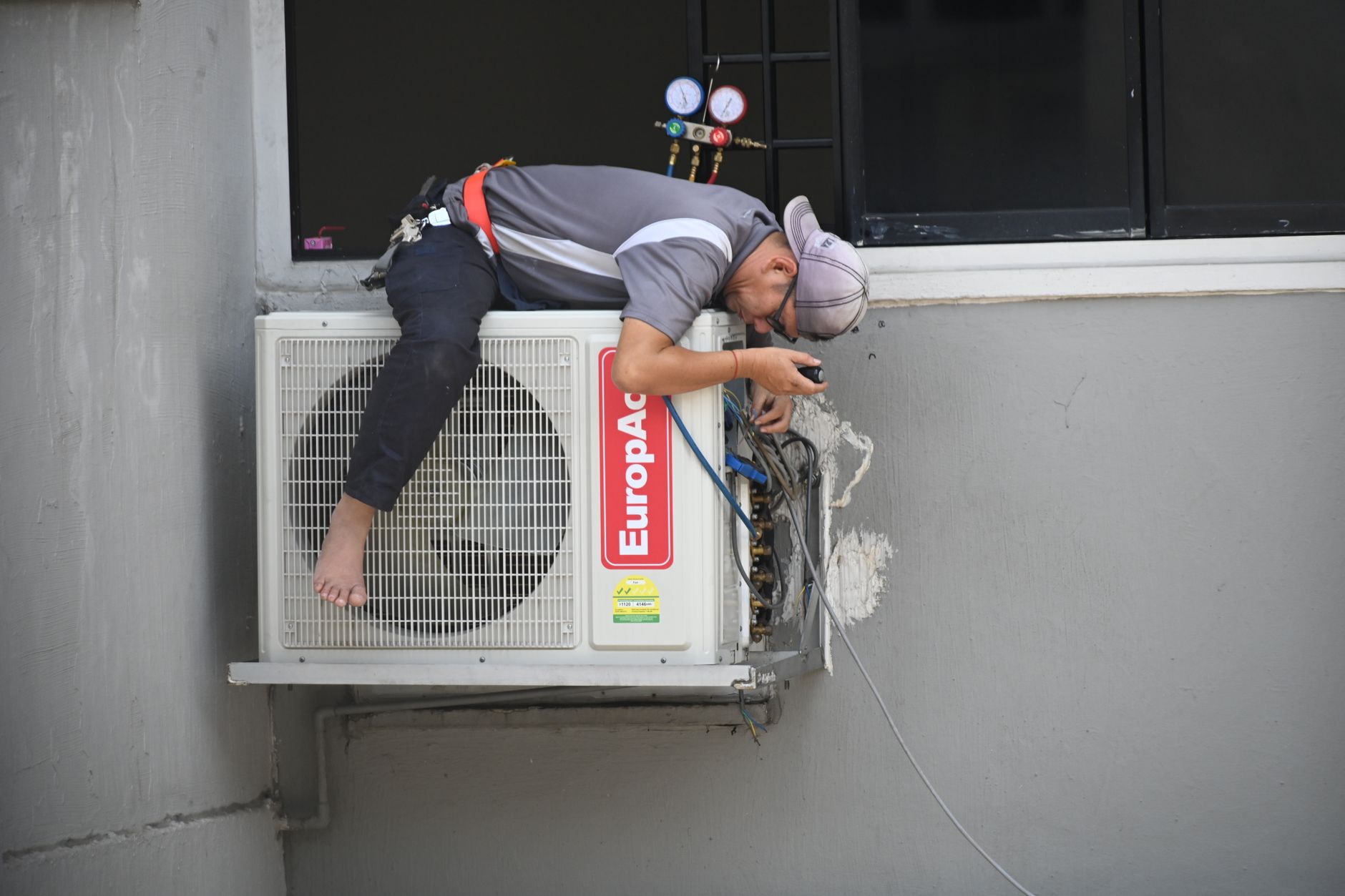
Ductless Mini-Split vs. Central Air: Cost and Performance Comparison for Connecticut Homes
Choosing between a ductless mini-split and central air conditioning in Connecticut involves more than upfront cost. This guide breaks down installation prices, energy efficiency ratings, and long-term operating costs so New Haven County homeowners can make a confident, informed decision.
12 min read
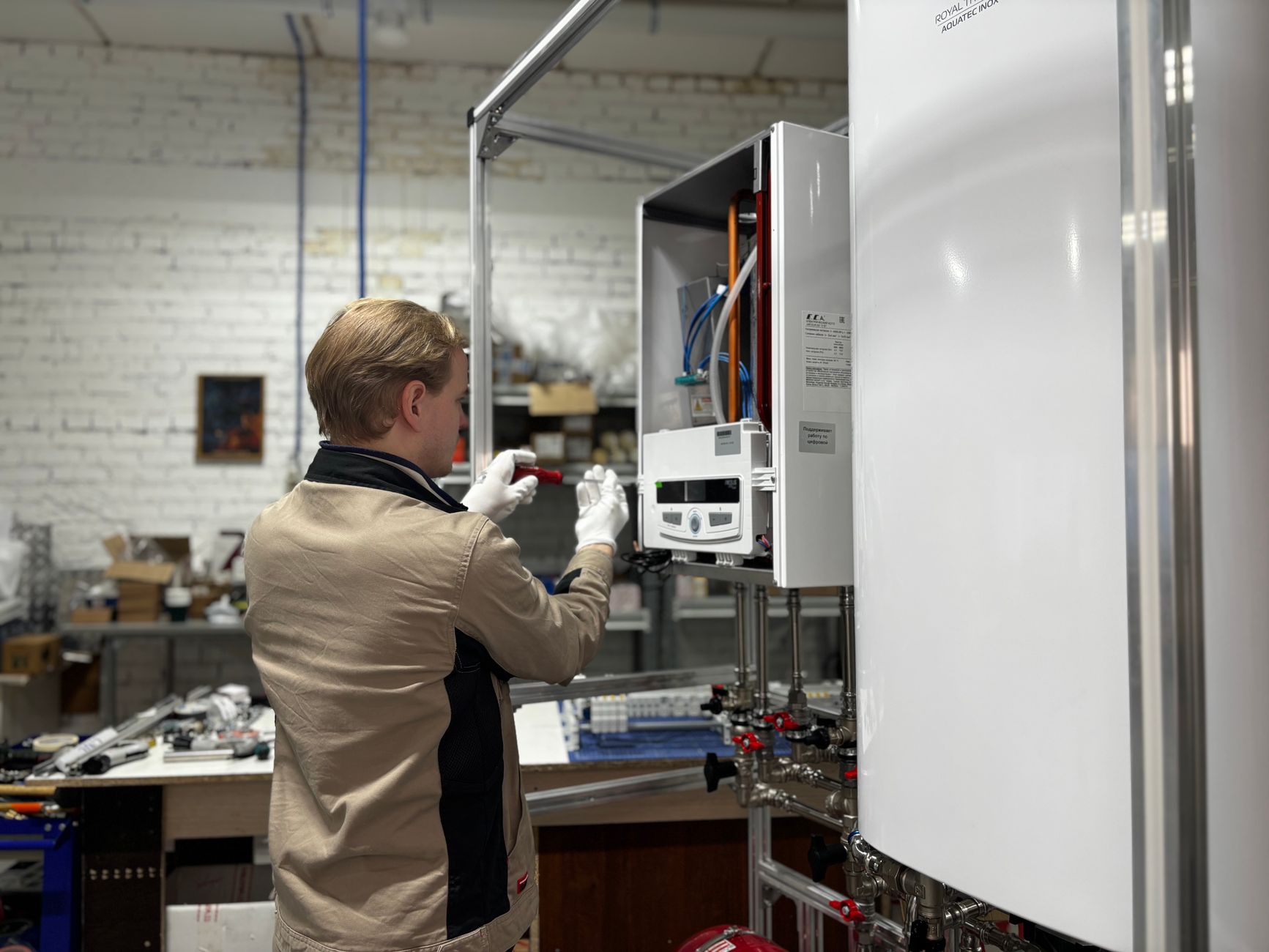
Water Heater Replacement Cost in New Haven, CT: What to Budget
Replacing a water heater in New Haven, CT typically costs $900 to $3,500 for a standard tank unit and $2,500 to $6,000 or more for a tankless system, including labor and permits. This guide breaks down every cost factor so you can budget accurately and choose the right unit for your home.
9 min read